A garage door that hesitates, stops halfway, reverses for no clear reason, or leaves a gap at the floor is more than an everyday annoyance. When a garage door not closing properly becomes part of the routine, people tend to work around it for a while. They press the remote twice, pull the door down by hand, or tell themselves they will get to it next weekend. That delay is where small problems often become expensive ones.
In practice, garage door faults rarely stay neatly contained. A minor alignment issue can place strain on a motor. A worn component can force the opener to work harder than it should. A door that does not sit square in its opening can wear unevenly and become less predictable over time. In coastal areas such as the Gold Coast, the combination of salt air, humidity, and heat can make that progression faster by affecting hardware and moving parts.
The good news is that many closing problems are repairable. The more important point is timing. When a fault shows up early, a technician can often address the root cause before it creates secondary damage. That matters for safety, reliability, and cost.
What “not closing properly” actually looks like
People describe this problem in different ways, and those details matter. One homeowner may say the door “won’t shut,” when what they really mean is that it nearly reaches the ground and then lifts again. Another may notice the bottom edge touching on one side before the other. Someone else may hear the motor running while the door struggles to finish the cycle.
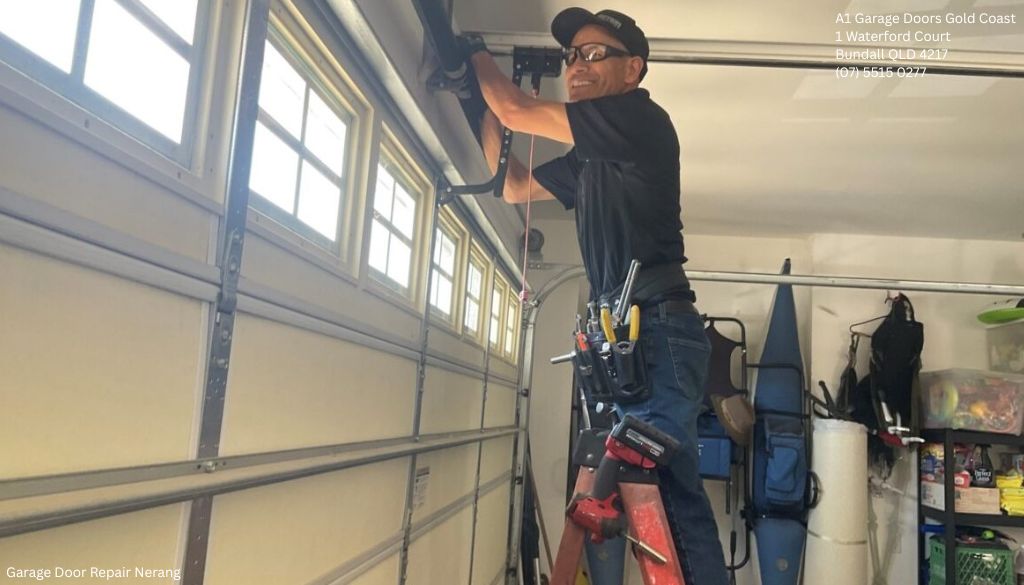
Those are not all the same fault, even though they lead to the same frustration. A door can fail to close properly because of garage door alignment issues, a problem with the motor or opener, wear in the springs, or trouble in the mechanical system that guides the door through its travel. In service work, the pattern matters as much as the symptom. Is the door stopping at the same point every time, or is it inconsistent? Does it sound strained? Has it become heavier to operate manually? Small observations like that often point to the area that needs attention.
That is why guessing can be costly. If the real issue is balance or spring wear, continuing to run the opener may put avoidable stress on the motor. If the problem is alignment, forcing the door through repeated cycles can add wear to parts that were not the original cause.
Why prompt attention saves more than money
The obvious reason to repair a garage door quickly is to avoid being stuck with a car inside or outside the garage. But the practical stakes go further than convenience.
A garage door is a large moving barrier. When it does not close correctly, security is affected. Even a small gap or an unreliable closing cycle changes how well the garage protects what is inside. For households that use the garage as a main entry point, a faulty door also disrupts the flow of daily life. People start adjusting their schedule around a machine that should be dependable.
Then there is wear. Mechanical systems do not like compensation. When one part is not doing its share, another part usually takes on extra work. An opener that has to drag an unbalanced door through its cycle is under a different load than one moving a properly serviced door. Over time, that difference matters. This is where garage door opener repair often enters the picture. Sometimes the opener is the source of the trouble. In other cases, it becomes the next casualty because the original issue was ignored too long.
The timing matters especially in climates that are tough on hardware. Gold Coast providers note that salt air, humidity, and heat can affect garage door components and increase maintenance needs. That does not mean every coastal garage door is headed for failure. It does mean early signs should not be dismissed.
The common repair categories behind a closing problem
Most garage door services in the Gold Coast area cover a familiar range of work: repairs, servicing, installations, and replacement of parts such as motors, remotes, and springs. That tells you something useful. Closing problems are rarely one mysterious fault. They usually fall into established repair categories.
A motor issue is one possibility. If the automation system is not functioning correctly, the door may stall, reverse, or fail to complete the closing cycle. In some cases, the solution is straightforward garage door opener repair. In others, a motor replacement or installation may be the better path, particularly where an existing door is being upgraded for automation or the motor is no longer dependable.
Springs are another major category, and one that deserves careful treatment. Spring replacement is a standard garage door repair service for a reason. Springs do essential lifting work, and when they wear or break, the entire system changes character. The door may feel heavier, move unevenly, or stop behaving predictably. The safety issue here is serious. Garage door springs are under high tension and are dangerous to adjust or repair without the right training and tools.
Alignment problems sit in a different but equally important category. Garage door alignment affects how smoothly the door travels and how evenly it meets the ground. A door that is out of alignment may appear to close, but not seal properly. It may rub, twist slightly during movement, or strain against the path it is supposed to follow. These are the faults that homeowners often notice visually, even before they understand the cause.
Servicing also matters because not every closing problem starts with a dramatic break. Sometimes wear builds gradually. A door can become noisier, less smooth, and slightly less consistent month by month. Annual servicing, which at least one Gold Coast provider recommends every 12 months, can help prevent breakdowns and extend the life of the door and motor.
The danger of waiting when springs are involved
Among all the parts in a garage door system, springs are the component most likely to tempt a risky do it yourself repair. People can see them, they can find videos online, and they may assume a quick adjustment will solve the problem. That assumption can be dangerous.
Springs store significant tension. Safety guidance is clear that they can cause serious injury if adjusted or repaired without proper tools and training. This is not one of those jobs where caution and patience alone make up for lack of experience. If a spring has broken or appears to be the issue, that is a strong case for stopping use and arranging professional service.
There is another practical detail that often surprises homeowners. When one spring breaks, both springs may need replacement because they tend to wear at a similar rate. Installing a new spring next to an older, tired one can create balance problems. On paper, replacing only the failed part may look cheaper. In real use, mismatched wear can lead to uneven operation and further trouble. That is one of those trade offs professionals deal with all the time: the lowest immediate cost is not always the repair that restores reliable function.
How alignment problems develop and why they should not be ignored
Garage door alignment tends to sound minor until you see what it does over time. A door is supposed to move through a controlled path and finish squarely within its opening. When that path changes, even slightly, several things can happen at once. The movement can become rougher. Contact points can wear unevenly. The bottom edge may no longer meet the ground evenly, leaving one side low and the other high. The opener may have to work harder to push the door through a motion that no longer feels natural.
In real homes, alignment problems often get noticed in small ways. One side reaches the floor first. The door looks tilted from the driveway. It starts sounding different, not dramatically loud, just less smooth than before. Those details are easy to put off because the door still moves. But a system that is still moving is not necessarily a system that is operating well.
If you need to fix garage door closing issues and alignment is part of the cause, timing matters. The sooner the door is returned to proper movement, the less chance there is of creating extra strain elsewhere. That can mean fewer follow on repairs and a better outcome for the motor as well.
When the opener is the problem, and when it is not
Homeowners often assume the motor is to blame because it is the most visible part of an automatic system. Sometimes that instinct is right. Gold Coast providers do offer motor replacement and installation services, including automation upgrades for existing garage doors, which shows how central the opener can be to reliable operation.
But the opener should be thought of as one piece of a larger system. If the door itself is difficult to move because of wear, imbalance, or alignment trouble, the opener may simply be revealing the problem. In workshop terms, the opener is often the part that complains first. It starts struggling, hesitating, or failing to complete a cycle because the rest of the system is no longer moving freely.
That distinction matters when discussing garage door opener repair. Repairing or replacing the motor can be the correct solution, but it should be based on diagnosis rather than assumption. Otherwise, a new opener may inherit the same underlying strain that damaged the old one.
A useful rule of thumb is to treat any opener issue and any door movement issue as connected until proven otherwise. That approach tends to prevent repeat callouts and half solved repairs.
Signs that a professional inspection should happen soon
Some closing faults can wait a day or two while you arrange service. Others justify more urgency. The difference is usually not about inconvenience alone, but about whether the symptom points to a safety or balance issue.
Here are five signs that deserve prompt attention:
The door reverses before fully closing or leaves a noticeable gap. One side of the door appears lower than the other during movement or at rest. The opener sounds strained, labored, or less smooth than usual. The door feels unusually heavy or difficult to operate. A spring appears broken, or the door suddenly stops behaving normally after a sharp change.Those symptoms do not all point to the same repair, but they do suggest that continued use may worsen the problem. If the door can no longer be trusted to complete a normal closing cycle, that is enough reason to move it up the priority list.
Why regular servicing changes the repair picture
A lot of avoidable garage door failures do not begin with a single dramatic event. They build quietly. Moving parts wear. Hardware ages. Local conditions take their toll. In places where humidity, salt air, and heat are part of the background, those effects can be more noticeable over time.
That is why periodic servicing has value beyond ticking a maintenance box. A service visit gives a technician the chance to assess how the door is moving, identify wear early, and address small issues before they become breakdowns. At least one Gold Coast garage door business recommends professional servicing every 12 months to help prevent breakdowns and extend the life of the door and motor. That interval is practical because it matches the way many gradual faults develop. It is frequent enough to catch wear patterns, but not so frequent that it becomes unnecessary routine.
For households that rely heavily on the garage, annual servicing is often cheaper than reactive repairs spread across a few years. Even when no major parts need replacement, the inspection itself can be worthwhile because it reveals whether the system is aging evenly or whether one area is starting to lag behind.
Repair versus replacement, a judgment call, not a slogan
People often want a simple answer: should they repair the problem or replace the affected part? Real service decisions are usually more nuanced than that.
If a motor fault is isolated and the rest of the system is in good order, garage door opener repair may be the sensible path. If a spring has failed, replacement is standard, but the condition of the matching spring also matters because of wear and balance. If the door is out of alignment, correcting that issue promptly may prevent the need for broader work later.
There are also situations where owners choose to upgrade rather than simply restore. Since Gold A1 Garage Doors Gold Coast Coast businesses commonly offer automation upgrades for existing garage doors, some households take the repair moment as an opportunity to improve convenience or replace aging motor equipment. That can be a reasonable choice, but it should still start with diagnosis. A good upgrade is one that solves the present fault and suits the door it is attached to.
The main mistake is acting on the most obvious symptom rather than the full condition of the system. A closing problem is often a signal, not a complete diagnosis.
What homeowners can do before the technician arrives
There is a limit to what should be attempted without training, especially where springs are concerned, but homeowners can still help the process by observing the problem carefully. Clear information can shorten diagnosis and reduce back and forth.
Before service, it helps to note a few specifics:
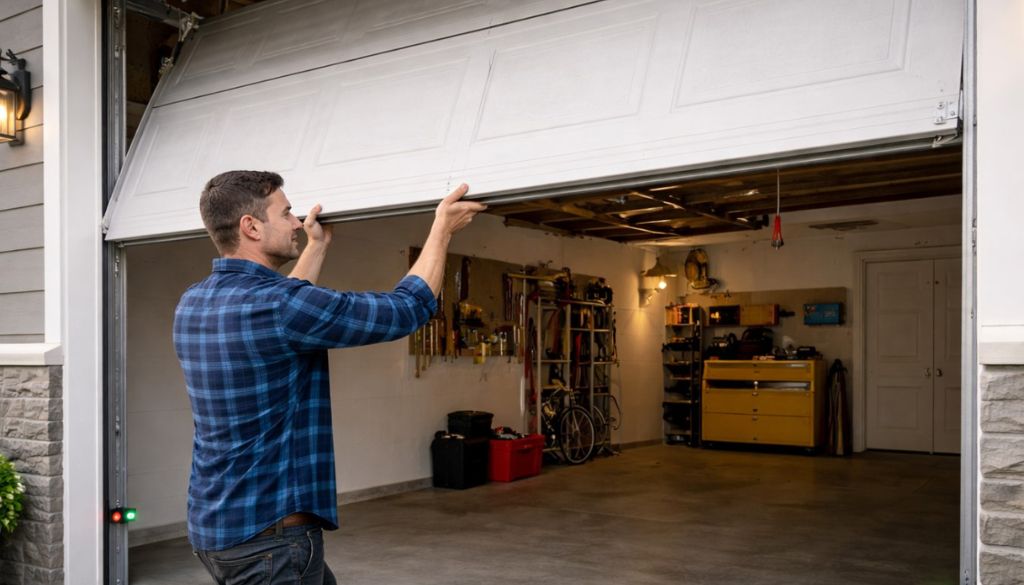
- whether the door stops at the same point every time or behaves inconsistently whether one side looks uneven during closing whether the opener sounds different from normal whether the fault appeared gradually or after a sudden change whether the door is still usable or feels unsafe to operate
That kind of description is often more valuable than a vague report that the garage door “is broken.” It gives the technician a starting point and can help distinguish between likely alignment issues, opener trouble, and possible spring or balance problems.
What homeowners should not do is attempt high tension spring work or keep cycling a door that is clearly struggling. Repeated attempts to force a failing system through a closing cycle rarely improve anything.
The broader cost of putting it off
A garage door repair bill is easy to quantify. The hidden costs of delay are less obvious. There is the time lost to unreliable access, the stress of a garage that does not secure properly, and the wear imposed on components that are compensating for a fault elsewhere. There is also the risk that a repairable issue turns into a replacement discussion sooner than it needed to.
This pattern shows up again and again. A homeowner notices the door is not closing squarely. It still opens, so they leave it for a month. The opener begins to struggle. They replace batteries in the remote, then keep using it. By the time they call for service, the original garage door alignment problem has been joined by motor strain and a larger repair scope. The timeline may vary, but the logic is consistent.
Timely repairs are not about overreacting to every noise. They are about respecting the way mechanical systems age. When one part starts asking for attention, it is usually cheaper and safer to listen early.
A closing problem is a message, not just a malfunction
When a garage door not closing properly starts disrupting the day, the immediate goal is obvious: fix garage door operation so the opening is secure again and the routine returns to normal. But the more useful mindset is to treat the problem as information.
A closing fault tells you something about garage door resource the condition of the system. It may point to an opener that needs repair, a motor that has reached the end of reliable service, springs that require professional replacement, or garage door alignment that has drifted enough to affect movement and sealing. In coastal conditions, it may also be a reminder that climate works on hardware slowly, whether anyone is paying attention or not.
A well functioning garage door should close smoothly, sit properly, and do its job without drama. Once that changes, prompt attention is rarely wasted. It protects the motor from avoidable strain, addresses safety concerns before they escalate, and gives you a better chance of solving one problem instead of three.
That is the real value of timely repair. It is not only about getting the door shut tonight. It is about preserving the whole system while the fix is still straightforward.